.png)

You wake up congested. Scratchy throat. Maybe a little tired.
And your first thought is:
“Do I push through… or stay home?”
If you’re committed to your training, this can feel like a moral dilemma. But here’s the truth:
Working out while sick isn’t about toughness. It’s about timing.
Let’s break it down.
A common guideline (often referenced by sports medicine organizations like the American College of Sports Medicine) is the “above the neck” rule.
If your symptoms are:
You can usually do light to moderate movement.
Think:
Notice what’s missing?
PR attempts. Benchmark days. “Let’s see what I’ve got today.”
Your immune system is already working hard. This is not the time to crush it.
If symptoms move below the neck, it’s a no-go.
Skip your workout if you have:
A fever in particular is a hard stop. Training while your body is fighting an infection can:
That’s not dramatic. That’s real.
If you’re dealing with something more serious like the flu or COVID, the Centers for Disease Control and Prevention recommends rest, hydration, and gradual return to activity once symptoms resolve.
Your body needs energy to heal. Don’t divert it to burpees.
Let’s clear this up:
You cannot sweat out a virus.
Sweat is your body regulating temperature — it’s not flushing infection. In fact, high-intensity training while sick can increase stress hormones and temporarily suppress immune function even more.
The goal when you’re sick isn’t to maintain peak fitness.
It’s to recover well.
If you’re feeling 70–80% and symptoms are mild, here’s a better approach:
If your energy tanks halfway through? That’s your answer. Go home.
Let’s say you take 4 days off.
You will not:
What will hurt progress is dragging a mild illness into a two-week setback because you refused to rest.
Consistency over time > one heroic workout.
General rule:
Then ramp up gradually.
Day 1 back: 60–70% effort
Day 2–3: moderate
Then resume normal programming if you feel good
No ego lifting. No “making up” missed sessions.
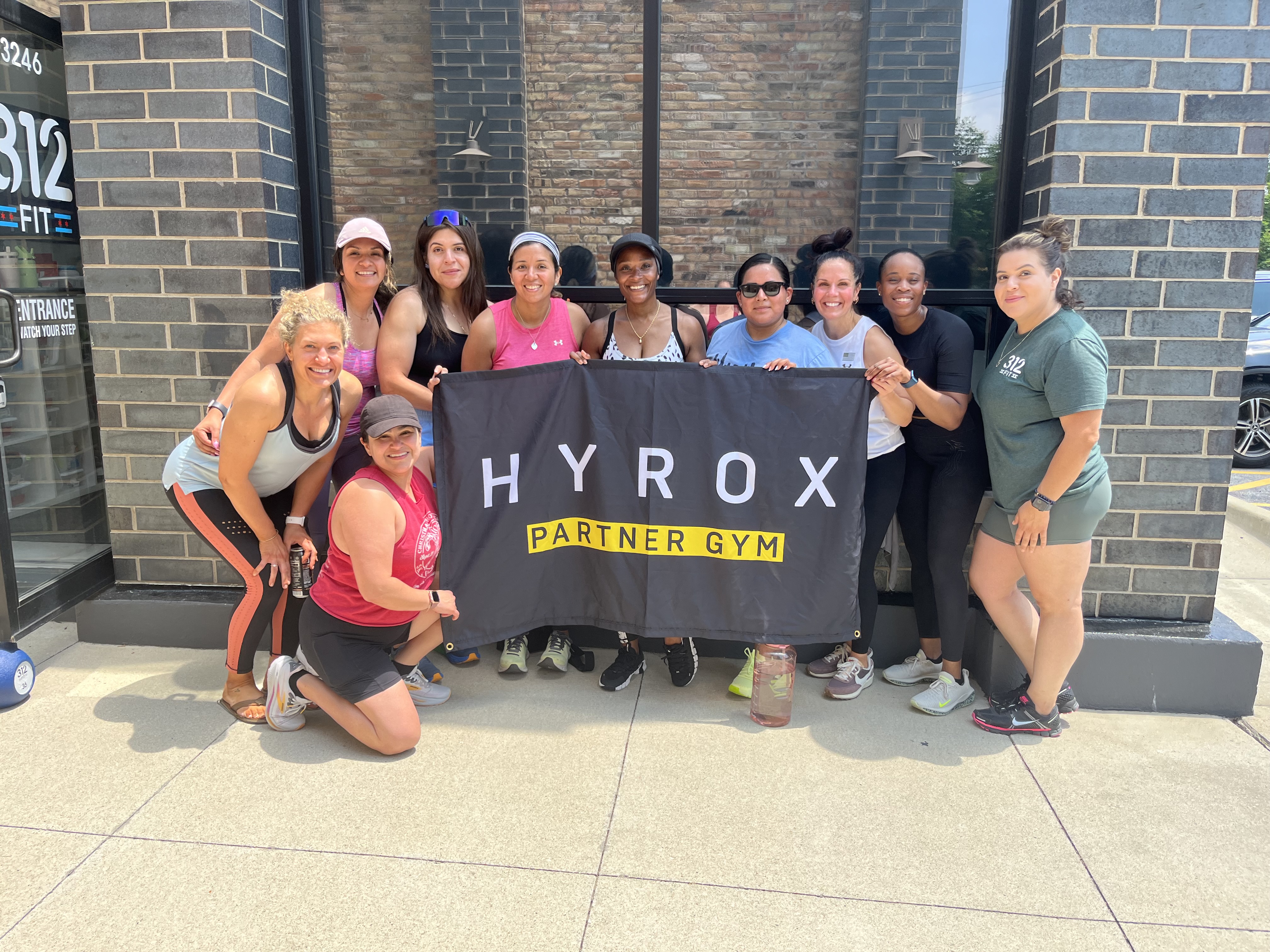
When you train in a group environment like 312 Fit:
Be honest.
Even if you could technically train through mild symptoms, ask yourself:
Sometimes staying home isn’t weakness.
It’s leadership.
Train hard when you’re healthy.
Recover hard when you’re not.
Your immune system is part of your performance system. Respect it.
And if you’re ever unsure?
Scale it. Walk it. Or take the day.
Your body will thank you.


.png)
.png)
.png)
.png)

.png)
.png)
.png)





.png)