
GLP-1 medications have changed the conversation around weight loss. For many people, they can be an effective tool for managing appetite, supporting weight loss, and improving certain health conditions.
But there’s an important piece of the conversation that often gets overlooked:
What happens to your muscle while you’re losing weight?
When the number on the scale goes down, the weight lost isn't necessarily all body fat. Weight loss can include fat mass as well as lean mass, which includes muscle. That's why focusing only on the scale doesn't tell the whole story.
This is where strength training becomes incredibly important.
Most people don't simply want to "weigh less." They want to feel better, move better, look healthier, have more energy, and improve their overall health. That's a big difference. The goal shouldn't simply be to make the number on the scale as small as possible. Ideally, we want to lose excess body fat while maintaining as much muscle as possible.
Muscle plays an important role in everyday life. It helps us climb stairs, carry groceries, get up from a chair, play with our kids or grandkids, maintain balance, and stay independent as we age. So while losing weight may be the initial goal, protecting your strength should be part of the plan.
Strength training gives your body a reason to keep and use your muscles. When you regularly challenge your muscles through resistance training, you're sending your body an important message:
"We still need this muscle."
That can be especially valuable during periods of weight loss.
Strength training can help support:
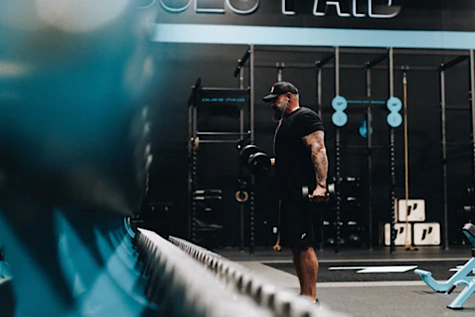
And you don't need to spend hours lifting heavy weights to benefit. A well-designed strength program can include dumbbells, kettlebells, resistance bands, bodyweight exercises, and functional movements. The key is consistency and progressive challenge.
Strength training is only part of the equation. If you're eating significantly less because your appetite has changed, getting enough protein can become even more important. Protein provides the building blocks your body needs to maintain and repair muscle tissue. That doesn't mean you need to obsess over every gram of protein or follow a complicated diet. It means making protein a regular part of your meals and working with your healthcare provider or a qualified nutrition professional to determine what is appropriate for you.
Think of it as a team:
Strength training + adequate protein + appropriate nutrition = a better foundation for maintaining muscle during weight loss.
Cardio is still important!
Walking, cycling, rowing, running, and other cardiovascular activities can support heart health, endurance, and overall fitness. But cardio and strength training serve different purposes. You don't have to choose one over the other.
At 312 Fit, we believe the best fitness program includes a combination of strength, cardiovascular fitness, mobility, and recovery.
The goal is to build a body that isn't just lighter but stronger and more capable.
If you're taking a GLP-1, it can be tempting to make the scale your primary measure of success. But consider tracking other things, too:
Are you getting stronger?
Can you walk farther without getting tired?
Are everyday activities becoming easier?
Are you improving your balance and mobility?
Are your clothes fitting differently?
Are you maintaining or increasing your strength?
These are meaningful measures of progress, too.
An InBody scan or other body-composition assessment may also provide additional information beyond your body weight, although these measurements have limitations and should be interpreted as part of the bigger picture.
Start where you are. You don't need to walk into a gym and immediately start lifting heavy weights. A good strength program should meet you at your current fitness level and gradually help you progress. At 312 Fit, our focus is on functional strength and helping people become stronger in ways that translate into everyday life. That might mean learning how to squat safely, improve your core strength, build upper-body strength, or simply become more comfortable moving your body.
You don't have to be strong to start strength training. Strength training is how you become stronger.
Whether you're taking a GLP-1, working toward weight loss, or simply want to improve your fitness, strength training can be an important part of your journey.
At 312 Fit, we focus on helping you build strength, improve your fitness, and create habits that support your long-term health, not just a number on the scale.
Come train with us and let's focus on becoming stronger, not simply smaller.


.png)
.png)
.png)
.png)
.png)

.png)
.png)
.png)





.png)